4. Community, Agency, and Ethical Engagement
Engage stakeholders and emphasize collaboration in your writing process.
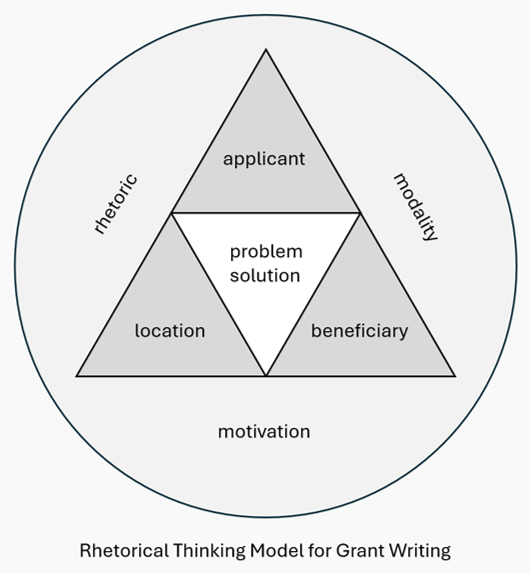
Chapter 4 centers community as a fundamental consideration in ethical and effective grant writing. It argues that projects developed without meaningful participation from those most affected can produce ineffective solutions, waste resources, and undermine trust. The chapter therefore emphasizes agency, access, inclusion, and community voice within the Rhetorical Thinking Model for Grant Writing. Asset-based proposal writing provides a framework for describing communities through their strengths, capacities, relationships, and opportunities rather than reducing them to deficits. The chapter also examines how demographic and statistical data can support proposals while warning writers to question established datasets and recognize the limitations of AI-generated information. Narrative data, including first-hand and historical accounts, provides additional ways of representing community experience. Human-subjects considerations, legal and regulatory compliance, credibility, and trustworthiness are addressed alongside practical strategies for successful proposals. The chapter concludes by considering community-based research and work with Tribal Nations through decolonized research approaches. Throughout, ethical engagement is presented as both a rhetorical responsibility and a practical condition for sustainable grant-funded work.
The chapter covers:
- What’s in Your Wallet?
- The Importance of Agency
- Community in the Rhetorical Thinking Model
- Asset-Based Proposal Writing
- Documenting Community in Your Proposal
- Sources of Demographic Data
- Additional Demographic and Statistic Sources
- AI and Demographic Data
- Challenging Established Demographic Data
- Narrative Data
- First-Hand Accounts
- Historical Accounts
- Human Subjects
- Legal and Regulatory Compliance
- Credibility and Trustworthiness
- Facilitating Successful Grant Proposals
- Community-Based Research
- Tribal Nations (Communities) and Decolonized Research
- Summary